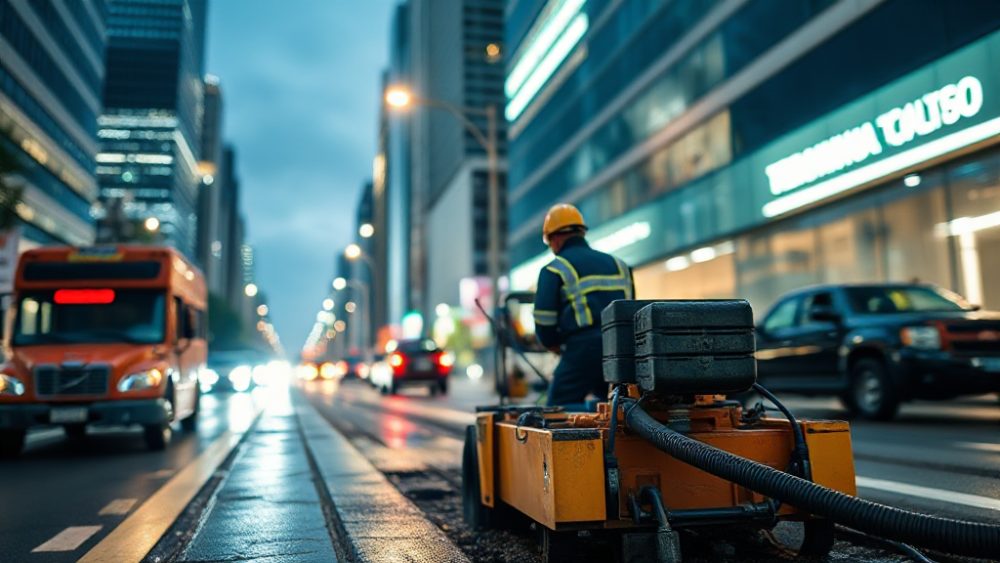
How Do You Handle a Clogged Drain on Avenida Paulista Without Losing a Day?
It is 7:40 a.m. on a Tuesday, and the sink in your Avenida Paulista apartment is backing up while you are already late for a meeting. You grab a plunger, push twice, and the water rises higher instead of draining. That is the moment most people start searching for a desentupidora Avenida Paulista and hope someone answers the phone before the problem spreads to the bathroom floor.
This guide is for that exact situation. I have dealt with blocked drains in high-rise buildings along the Paulista corridor, and the routine that works is not complicated. It is about knowing when to stop poking and start calling, and about setting up the service so the technician arrives with the right equipment instead of guessing.
1. Stop Using Water and Identify Which Fixture Is Backing Up
Before you call anyone, spend two minutes isolating the problem. A drain that gurgles in the kitchen but drains fine in the bathroom points to a local blockage near the trap, not a main line failure. If water backs up in the shower when you flush the toilet, the obstruction is almost certainly in the building’s shared stack.
Write down three things: which fixtures are affected, whether the water smells like sewage, and whether the backup started suddenly or worsened over days. A technician will ask these questions on the phone, and your answers decide whether they send a simple rodding crew or a truck with hydrojetting equipment.
What to check on the building side
In older buildings along Avenida Paulista, the ground-floor shops and the residential floors often share a drainage line that was never designed for today’s volume of use. Ask the doorman whether neighbors reported the same issue. If two or more units are affected, this is a building-level problem, and the síndico should be involved from the first call.
What not to do while you wait
Do not pour chemical drain cleaner into a completely blocked line. It sits in the pipe, heats up, and can damage older PVC or cast-iron joints without clearing the clog. Do not run the washing machine or dishwasher either, because the discharge has nowhere to go and will surface at the lowest point, usually a floor drain.
2. Call a 24-Hour Service and Describe the Location Precisely
Avenida Paulista is not a single address for a technician. It is a long avenue with restricted parking, busy commercial towers, and residential entrances that are easy to miss. When you contact a desentupidora Avenida Paulista São Paulo SP, give the building number, the nearest cross street, and the entrance the technician should use.
Mention whether the access is through a garage, a service corridor, or a main lobby. A hydrojetting truck needs a hose run of 30 to 60 meters in many buildings, and the technician needs to know if that path is clear. If your building requires a service authorization from the administration, ask for it before the crew arrives so nobody waits at the door.
Questions worth asking on the call
- Is there a call-out fee, and does it apply on weekends or at night?
- Will the technician carry a camera to inspect the line, or is that a separate service?
- How long is the typical response window for the Avenida Paulista area?
- Is the price quoted per service or per meter of pipe cleared?
Getting these answers upfront prevents the awkward conversation that happens when the invoice arrives and nobody expected the inspection charge. A reputable company will explain the scope before starting work.
3. Match the Method to the Type of Blockage
Not every clog needs the same tool. A kitchen sink blocked by grease responds well to mechanical rodding and hot-water flushing. A main sewage line filled with roots, scale, or years of accumulated waste needs hydrojetting, which uses high-pressure water to scour the pipe walls rather than just punch a hole through the obstruction.
This is where a company that also handles desentupidora em Avenida Paulista São Paulo SP emergency calls has an advantage: the technician can inspect the line with a camera and switch methods on site instead of scheduling a second visit. For commercial kitchens and condominium garages, that difference can save a full day of closure.
| Method | Best for | Typical limitation |
|---|---|---|
| Manual plunger or auger | Local clogs in sinks, showers, and toilets | Does not reach blockages deep in the main line |
| Mechanical rodding | Grease, soap scum, and soft obstructions | Can miss hard scale on pipe walls |
| Hydrojetting | Main lines, roots, and heavy buildup | Requires access and water supply; not for fragile pipes |
| Camera inspection | Diagnosing repeated backups | Diagnostic only, does not clear the clog |
If your building has had the same backup three times in a year, insist on camera inspection. Repeated blockages usually mean a collapsed section, a root intrusion, or a slope problem, and clearing the pipe without fixing the cause just resets the clock.
4. Confirm the Cleanup, the Warranty, and the Prevention Plan
The job is not finished when the water drains. Ask the technician to show you the flow test and to confirm that all affected fixtures drain at normal speed. In apartments, check the floor drains in the service area and the bathroom before the crew leaves, because a secondary blockage often shows up only when water runs through the whole system.
Ask for a written service record that describes what was found and what was done. If the same line blocks again within the warranty period, that record is your proof that the problem was reported and treated. For condominiums, keep a copy with the building maintenance file so the síndico has a history to show the administration.
Closing checklist before you pay
- All fixtures drain freely, including the ones that were not originally blocked.
- No water is seeping around the base of the toilet or under the sink cabinet.
- The technician explained the likely cause and whether a repeat is possible.
- You received a receipt with the service description and warranty terms.
- For buildings, the doorman or síndico has been informed of the work performed.
One last habit worth building: schedule a preventive inspection every 12 to 18 months if your building is older or has a commercial kitchen on the ground floor. On a busy avenue like Paulista, where a single backup can close a shop or flood a lobby, that small appointment is cheaper than an emergency call at midnight. Keep the number of a reliable 24-hour team saved in your phone, and the next clog becomes a 30-minute inconvenience instead of a lost day.